Langkawi Meet Highlights Potential of Algae Biomass
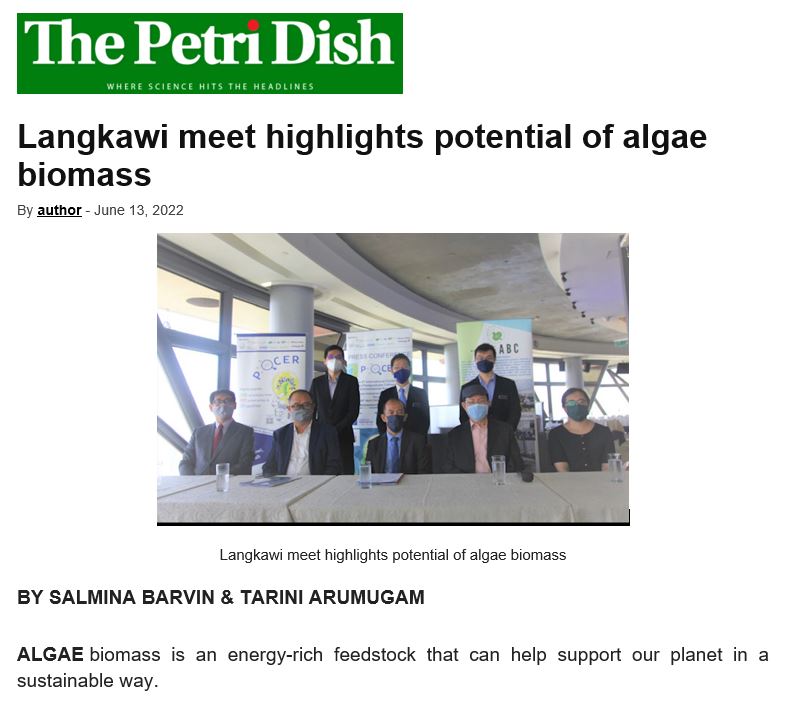
ALGAE biomass stands as a promising energy-rich resource crucial for sustainable support. Recognizing the necessity for collaboration, a group of experts lead an algae biotechnology research endeavor, uniting algae researchers from across Asia. This collaborative effort, initiated by Prof Ir Ts Dr. Show Pau Loke, Associate Professor Dr. Ooi Chien Wei of the International Bioprocessing Society, Assistant Professor Dr. Chew Kit Wayne of Xiamen University Malaysia, and ChM Dr. Khoo Kuan Shiong of UCSI University, has evolved into the Algae Biotechnology Consortium (ABC). Comprising twelve local and private universities in Malaysia, fourteen international universities, one research institute, and three industry partners, ABC is dedicated to amplifying algae’s role in sustainable practices, including food and energy production, nutrition, bioproducts, cosmetics, and ecological conservation. This landmark initiative was unveiled at the 6th International Conference & Postgraduate Colloquium for Environmental Research (POCER) 2022, held from June 9-11 in Langkawi. Prof Show is expressing optimism for ABC’s impact, highlighted algae’s potential as a renewable energy source and a sustainable alternative to conventional food crops. Emphasizing the consortium’s commitment to international collaboration and sustainable solutions, Prof. Show affirmed confidence in ABC’s ability to drive impactful change for a sustainable future.
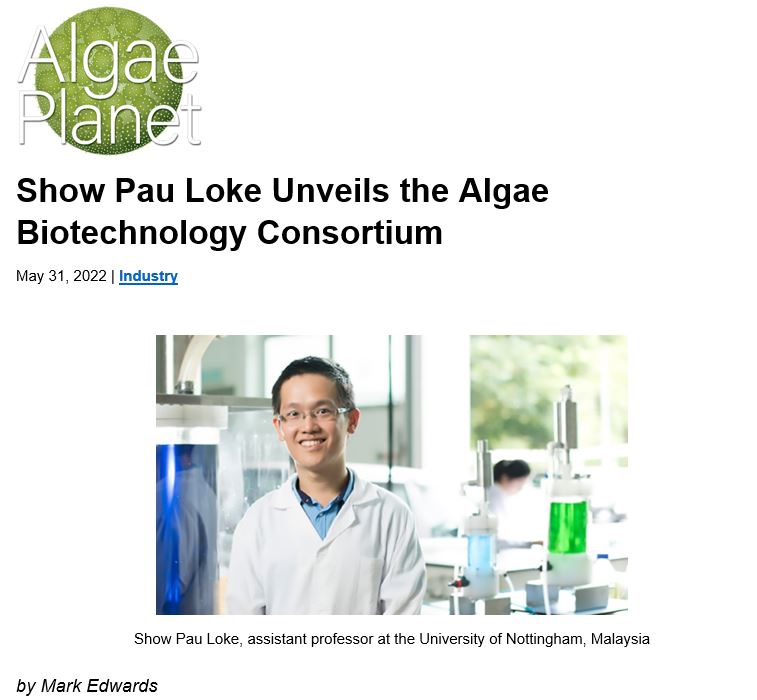
Pau Loke Show described the challenges faced by algae research teams during the pandemic, including the loss and died of algae specimens due to campus closures. In response, Pau Loke and his team, comprising Khoo Kuan Shiong and Chew Kit Wayne, initiated an algae networking initiative, evolving into the Algae Biotechnology Consortium (ABC). ABC aims to preserve and exchange authentic algae strains globally, establishing an algae library collection. The consortium facilitates research and development in algae cultivation, biotechnology, storage, and identification, promoting sustainable practices and the utilization of algae for food, energy, nutrition, and ecological applications. Through education, outreach, and engagement, ABC seeks to advance algae’s role in creating a greener future and fostering a circular bioeconomy, emphasizing its potential in food production, environmental remediation, and high-value bioproducts.
Congratulations on the Establishment of the World’s 1st Algal Biotechnology Consortium!

Page Number: 27, Klassifieds
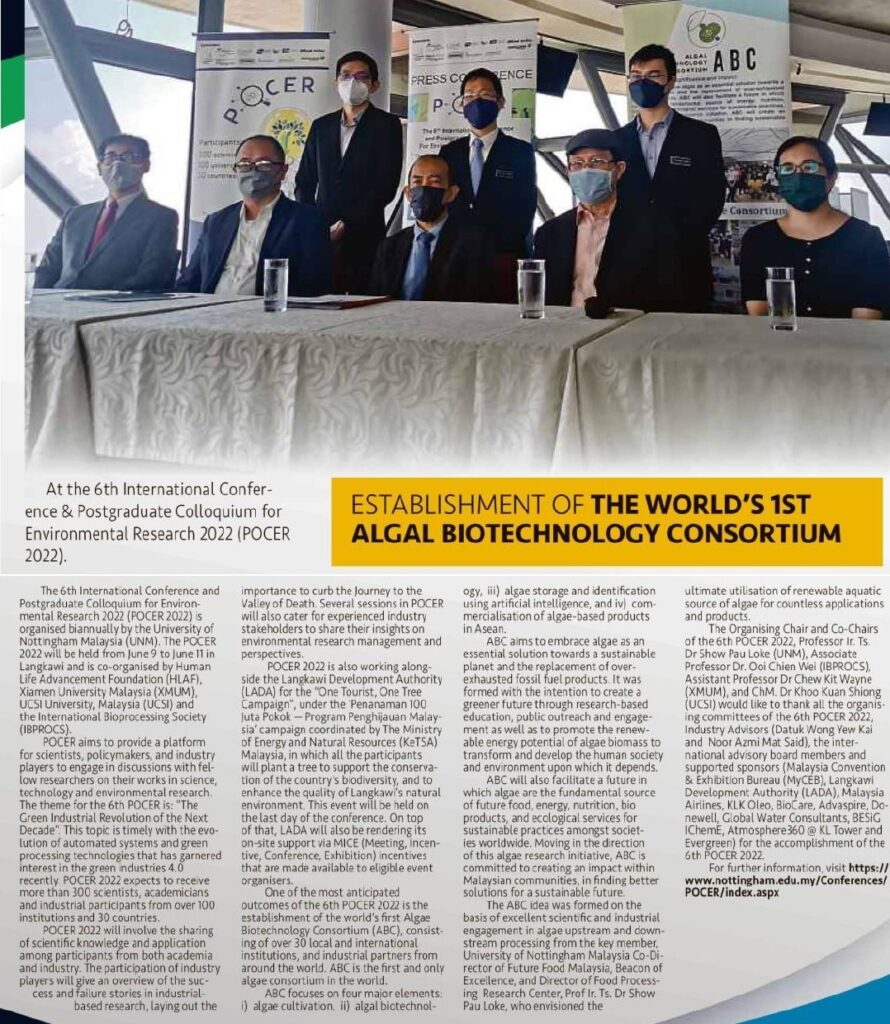
The 6th International Conference and Postgraduate Colloquium for Environmental Research 2022 (POCER 2022), hosted biannually by the University of Nottingham Malaysia (UNM), is set to take place from June 9 to 11, 2022, in Langkawi. Co-organized by the Human Life Advancement Foundation (HLAF), Xiamen University Malaysia (XMUM), UCSI University (UCSI), and the International Bioprocessing Society (IBPROCS), POCER serves as a crucial platform for scientists, policymakers, and industry leaders to engage in discussions on science, technology, and environmental research. With its theme “The Green Industrial Revolution of the Next Decade,” POCER 2022 anticipates over 300 participants from more than 100 institutions and 30 countries. The conference aims to foster knowledge sharing and collaboration between academia and industry, offering insights into both successful and unsuccessful industrial-based research endeavors. Moreover, POCER 2022 aligns with the “One Tourist, One Tree Campaign” in collaboration with the Langkawi Development Authority (LADA), promoting environmental conservation through tree planting activities. The highlight of this year’s event is the establishment of the world’s first Algae Biotechnology Consortium (ABC), comprising over 30 local and international institutions and industry partners. Initiated by Professor Ir Ts Dr. Show Pau-Loke, ABC focuses on advancing algae research for sustainable practices and aims to revolutionize various sectors including food, energy, nutrition, and ecological services. The organizing committee extends gratitude to all involved parties for their support in making POCER 2022 a success, emphasizing the importance of collaboration and engagement in driving environmental research forward.
Congratulations on the Establishment of the World’s 1st Algal Biotechnology Alliance!


Page Number: A19, Domestic News
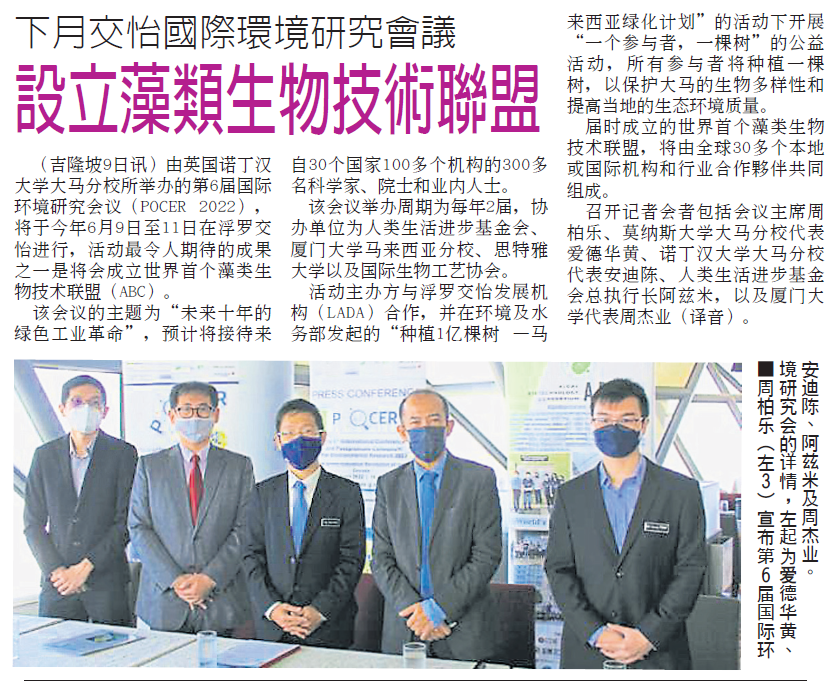
The 6th International Conference and Postgraduate Colloquium for Environmental Research 2022 (POCER 2022), hosted biannually by the University of Nottingham Malaysia (UNM), is set to take place from June 9 to 11, 2022, in Langkawi. Co-organized by the Human Life Advancement Foundation (HLAF), Xiamen University Malaysia (XMUM), UCSI University (UCSI), and the International Bioprocessing Society (IBPROCS), POCER serves as a crucial platform for scientists, policymakers, and industry leaders to engage in discussions on science, technology, and environmental research. With its theme “The Green Industrial Revolution of the Next Decade,” POCER 2022 anticipates over 300 participants from more than 100 institutions and 30 countries. The conference aims to foster knowledge sharing and collaboration between academia and industry, offering insights into both successful and unsuccessful industrial-based research endeavors. Moreover, POCER 2022 aligns with the “One Tourist, One Tree Campaign” in collaboration with the Langkawi Development Authority (LADA), promoting environmental conservation through tree planting activities. The highlight of this year’s event is the establishment of the world’s first Algae Biotechnology Consortium (ABC), comprising over 30 local and international institutions and industry partners. Initiated by Professor Ir Ts Dr. Show Pau-Loke, ABC focuses on advancing algae research for sustainable practices and aims to revolutionize various sectors including food, energy, nutrition, and ecological services. The organizing committee extends gratitude to all involved parties for their support in making POCER 2022 a success, emphasizing the importance of collaboration and engagement in driving environmental research forward.
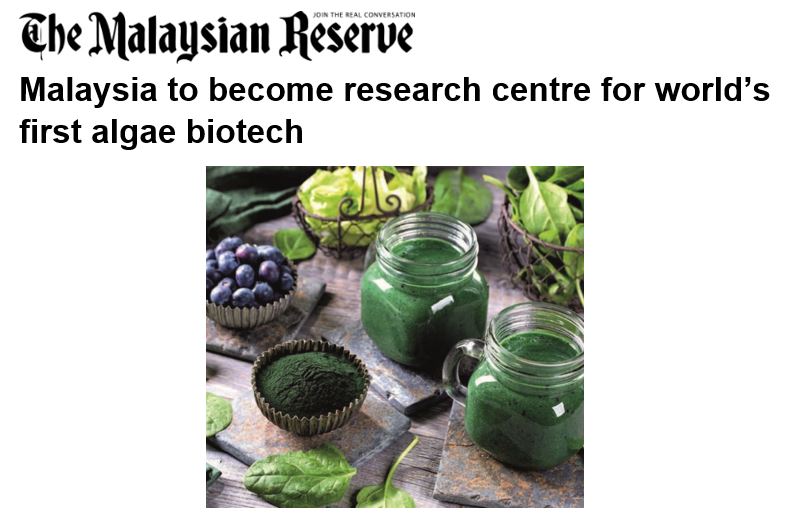
Malaysia is poised to take the lead in establishing the world’s first Algae Biotechnology Consortium (ABC), a pivotal step towards fostering sustainability and reducing reliance on fossil fuels. Lead by Prof Dr. Show Pau-Loke from University of Nottingham Malaysia, ABC will unite over 30 local and international institutions alongside industrial partners. Prof Show highlighted Malaysia’s conducive environment and ample sunlight as advantageous for the consortium’s endeavors. Anticipated to make significant achievement in Malaysian communities, ABC aims to revolutionize various sectors globally, offering solutions for sustainable food, energy, and ecological practices. Concurrently, the 6th International Conference and Postgraduate Colloquium for Environmental Research co-organized by UNM, will serve as a catalyst for ABC’s establishment. Through these initiatives, Malaysia emerges as a frontrunner in driving sustainable practices and fostering global collaboration towards a greener future.
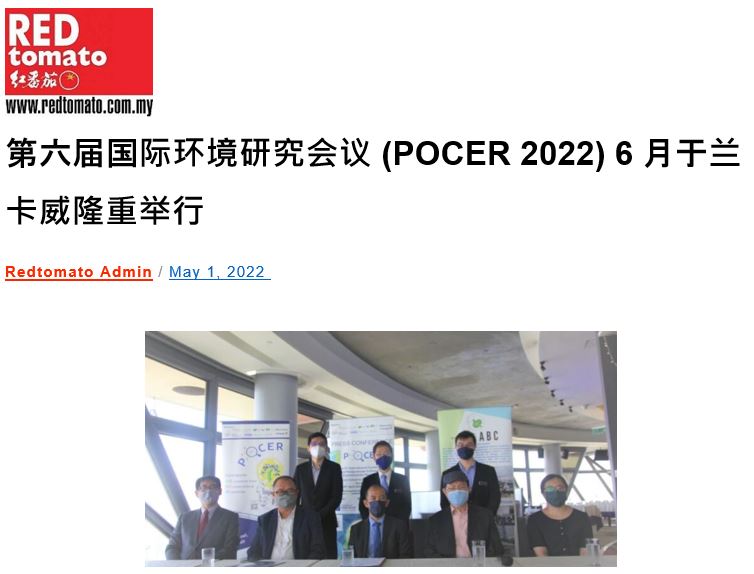

Initiated by Prof Dr. Show Pau-Loke, ABC will bring together over 30 local and international institutions along with industrial partners. Prof Show emphasized Malaysia’s favorable environment and abundant sunlight as conducive factors for the consortium’s activities. ABC’s mission to revolutionize various sectors globally, including sustainable food, energy, and ecological practices, is expected to have a significant impact on Malaysian communities. Concurrently, the 6th International Conference and Postgraduate Colloquium for Environmental Research co-organized by UNM, will play a vital role in facilitating ABC’s establishment. With a thematic focus on “The Green Industrial Revolution of the Next Decade,” Pocer 2022 aims to gather over 300 experts from 30 countries to discuss innovative green technologies. Additionally, Pocer 2022 collaborates with the Langkawi Development Authority (LADA) for the “One Tourist, One Tree Campaign,” reinforcing efforts for environmental conservation.